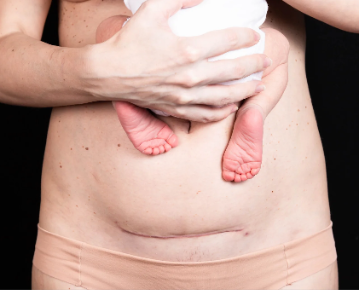
Postpartum recovery is often described as the “fourth trimester” — a time when your body is healing, recalibrating, and adapting to life after birth. This is the highlights from a community workshop with Dr. Jessie regarding this topic.
What Happens to Your Body After Delivery
Whether you had a vaginal delivery or a C‑section, your muscles, ligaments, and joints have gone through enormous change. Pregnancy and birth place unique demands on the core, pelvis, and surrounding structures. After delivery, it’s normal to experience:
- Pelvic floor and core muscle stretching and weakness
- Pelvic ligament laxity from hormonal changes
- Pelvic alignment changes, including symphysis pubis discomfort
- Increased lumbar lordosis and shifts in posture
- Hormonal fluctuations affecting mood, energy, and tissue healing
- Scar tissue formation, especially after a C‑section
These changes are expected, but they can also contribute to discomfort, instability, or difficulty returning to movement. Understanding them is the first step toward meaningful recovery.
How We Address These Postpartum Changes
Postpartum care should be gentle, individualized, and focused on restoring function rather than pushing intensity. Key areas of support include:
1. Core Rehabilitation
Your core is more than just your abdominal muscles — it’s a coordinated system involving the diaphragm, deep abdominals, multifidus, and pelvic floor. Rebuilding this system helps with stability, posture, bladder control, and overall comfort.
2. C‑Section Scar Care
Scar tissue can affect mobility, sensation, and even how your core activates. Gentle scar work can improve healing, reduce adhesions, and restore comfort.
3. Emotional Recovery Strategies
Postpartum healing isn’t only physical. Understanding emotional changes, building support networks, and knowing when to seek help are essential parts of recovery.
The Pelvic Floor as Part of the Core
The pelvic floor is the foundation of your core system. It works together with:
- The diaphragm (top)
- Abdominal muscles (front and sides)
- Multifidus (deep spinal stabilizers in the back)
- Pelvic floor muscles (bottom)
When these structures coordinate well, they support breathing, posture, bowel and bladder control, and efficient movement. After pregnancy, this system often needs retraining.
Breathing: The Foundation of Core Recovery
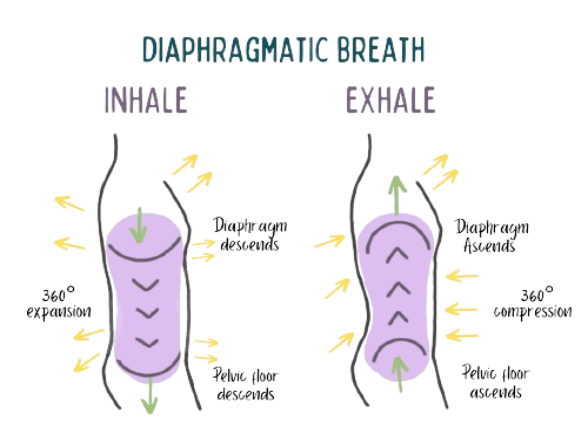
Diaphragmatic breathing is one of the most effective ways to reconnect with your core postpartum.
What it looks like
- On inhale, the diaphragm descends, ribs expand, and the pelvic floor gently lengthens.
- On exhale, the diaphragm rises and the pelvic floor lifts.
Common postpartum patterns
Many new parents unintentionally adopt patterns that make recovery harder:
- Belly always pulled in
- Minimal rib expansion
- Diaphragm unable to fully descend
- Weak pelvic floor engagement
- Rounded shoulders
- Chronic low back or neck tension
Relearning proper breathing helps restore core coordination and reduces strain.
Pelvic Floor & Core Exercises
Recovery begins with gentle activation and progresses gradually.
Start with:
- Kegels (when appropriate and not overused)
Progress to:
- Pelvic tilts
- Bird dog
- Squats
These exercises help rebuild stability, improve posture, and support daily movement.
C‑Section Scar Care: What You Should Know
Scar tissue is a normal part of healing, but it can become tight, sensitive, or restrictive. Gentle scar care can improve mobility and comfort.
Benefits of Scar Massage
- Reduces adhesions
- Improves circulation
- Helps restore sensation
- Supports core activation
When to Start
Scar work typically begins once the incision is fully healed and cleared by your healthcare provider.
Techniques
- Circular motions
- Vertical and horizontal glides
- Gentle pinching and lifting
Other therapeutic options
- Graston / Instrument Assisted Soft Tissue Mobilization
- Cupping
- Ultrasound therapy
- Low‑level laser therapy
These techniques can complement manual care when appropriate.
Strategies for Emotional Recovery
Postpartum healing includes your emotional well‑being. Many parents experience shifts in mood, identity, and energy.
Supportive strategies include:
- Understanding normal postpartum emotions
- Seeking help from lactation consultants, doulas, support groups, or mental health professionals
- Recognizing when additional care is needed
- Building a long‑term support network
- Practicing sustainable self‑care
You don’t have to navigate postpartum recovery alone — support is part of healing.
Final Thoughts
Postpartum recovery is not a race. Your body has done something extraordinary, and healing takes time, patience, and the right strategies. Whether you’re rebuilding your core, caring for a C‑section scar, or navigating emotional changes, gentle and informed support can make a meaningful difference.